

At the beginning of the weekend, Bitcoin is showing a moderate decline but still remains above the $70,000 level. Over the past 24 hours, the total crypto market has decreased by 0.68%, falling to $2.42 trillion.
The main driver is a reassessment of macroeconomic expectations amid rising oil prices and escalating tensions between the US and Iran. These factors are increasing inflation risks and reducing expectations for near-term interest rate cuts. Federal Reserve Chair Jerome Powell had previously warned about this in his statements.
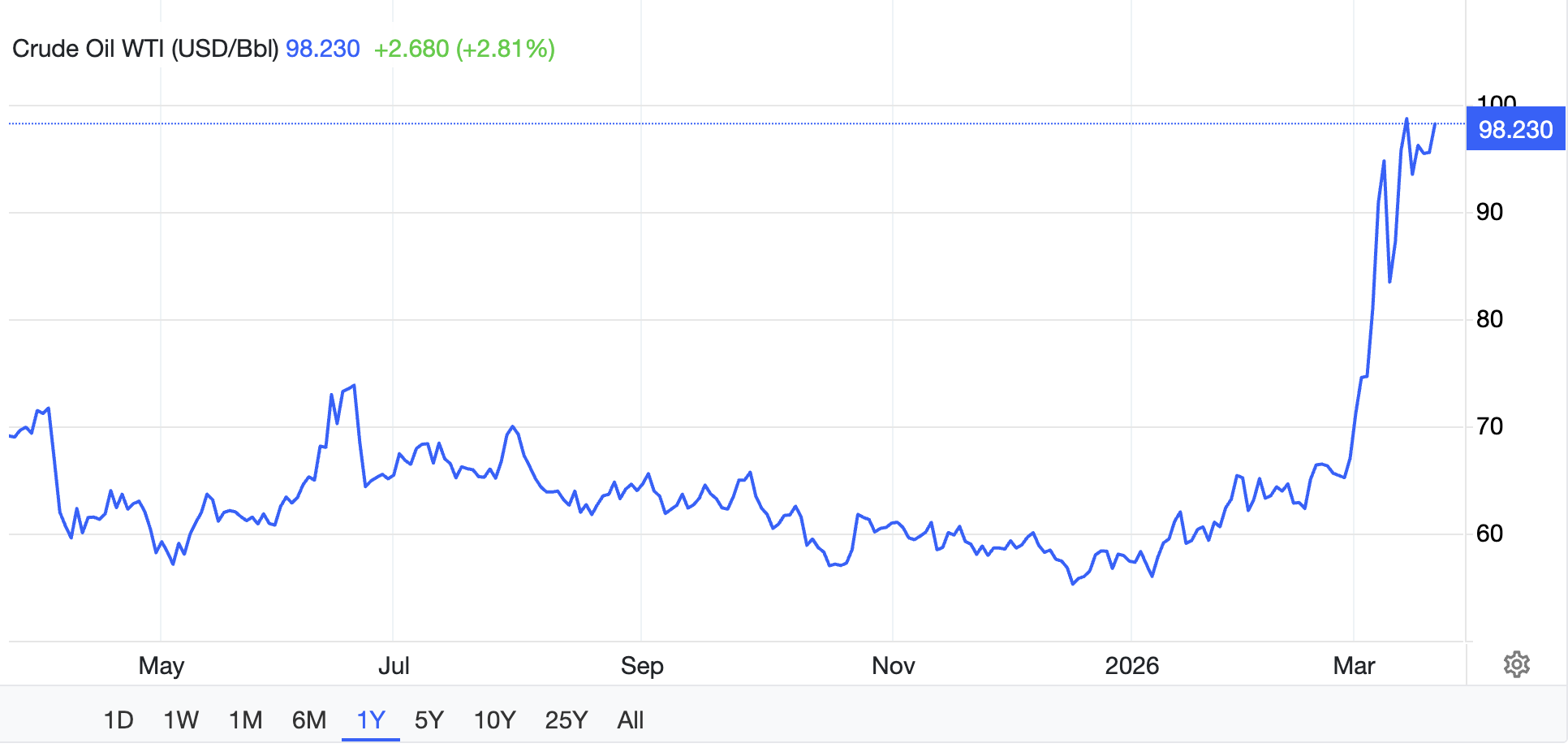
Against this backdrop, the possibility of rate hikes is coming back into focus. For risk assets, including cryptocurrencies, this creates additional pressure, as higher rates reduce the attractiveness of speculative investments.
At the same time, correlation with traditional markets is strengthening. The crypto market is currently moving closely in line with both the S&P 500 and gold, showing similar price dynamics.
Falling liquidity increases volatility
Another negative factor is declining liquidity. Spot trading volumes have dropped by 21% in just one day. In such an environment, even large individual orders can trigger significant price swings.
This effect is especially visible in altcoins. Several projects are posting double-digit losses amid elevated trading volumes, adding to overall market pressure. Notable examples include Bittensor (TAO) and Virtuals Protocol (VIRTUAL).